
 09-Nov-2026
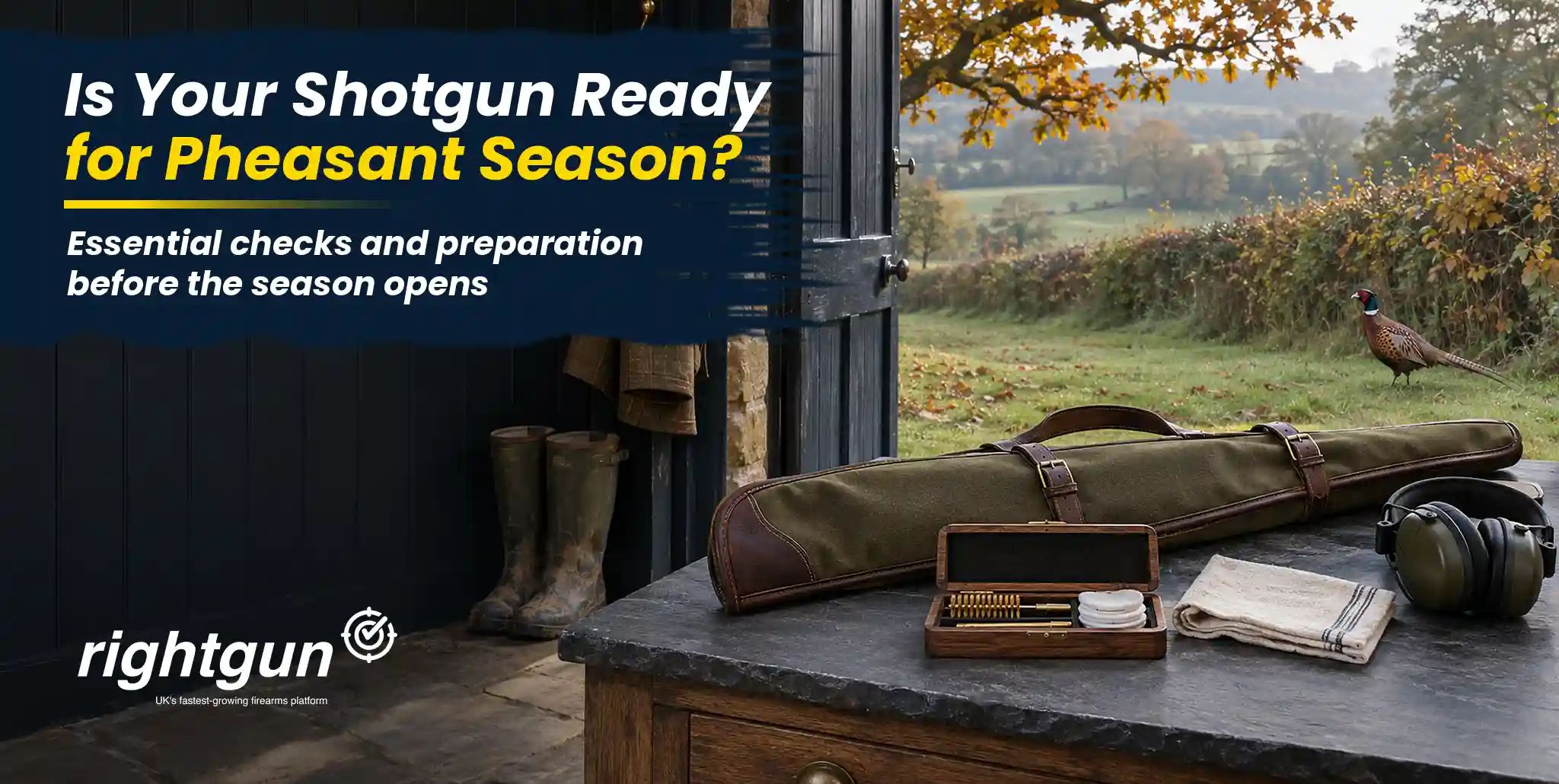
Yes, and it comes down to five jobs: give the gun a proper clean and inspection, make sure it still fits you, pick the right choke and cartridge for the birds you expect, practise before the first drive, and pack the kit that goes with it. The pheasant season is already under way, but nothing here is wasted if your first day is still ahead of you, and the same routine is worth repeating before every shoot day.
This is general guidance for the UK shooting community. It is not a substitute for a gunsmith’s opinion on your own gun, or for the briefing you will get on the day.
Start with a proper clean and a careful look
A gun that has sat in a cabinet since last February deserves more than a quick wipe. Make sure it is unloaded, then take it down as the maker intends and clean the barrels, chambers, action and ejector area, taking out any old oil, grit or residue. Keep the cleaning gentle and use products made for guns. Our guide to cleaning a shotgun after a wet day in the field walks through the routine.
While it is apart, look rather than just wipe. Check the wood for cracks around the head of the stock and the forend, look inside the barrels for dents or bulges, make sure the action closes crisply and that the safety, triggers and ejectors or extractors feel normal. Light surface rust that wipes away is one thing; pitting, a loose joint or an action that no longer closes firmly is another. If anything looks or feels wrong, stop and take the gun to a qualified gunsmith. Do not try to adjust, alter or repair the mechanism yourself.
Many shooters have the gun serviced by a gunsmith every year or so, ahead of the season, particularly after heavy use. If you have not had yours looked at for a while, it is a sensible time to book it.
Browse: Shotguns for sale · Beretta shotguns · Browning shotguns · Gun parts and accessories · Services
Check that the gun still fits you
Fit is easy to forget, because bodies and winter clothing change. A gun that fitted you in a T-shirt in July may feel different over a thick shooting jacket in the cold. When you mount the gun, it should come up to your face and shoulder without you hunting for it, and your eye should look along the rib rather than over it or to one side. If it keeps landing in a slightly different place each time, that is worth sorting out before the first drive.
A stock that is too long, too short or at the wrong height will cost you birds and can be uncomfortable after a long day. A fitting at a good gunshop or shooting school can tell you whether small adjustments would help. Our guides to checking shotgun fit before you buy and shouldering a shotgun explain what to look for.
Browse: Shotguns for sale · Miroku shotguns · Winchester shotguns · Fabarm shotguns · Business directory
Choose your choke and cartridges for the birds you expect
Pheasant shooting is varied, so there is no single answer. The distance and speed of the birds, the kind of drive, the weather and your own gun all play a part, which is why experienced shots often keep a couple of options in the bag rather than a fixed rule. Chokes tighten or open the pattern, and the way different cartridges behave in your gun is worth knowing before the day rather than during it. Our explainers on choke constrictions and choosing a choke for pheasant cover the basics, and cartridge selection is a good companion.
Two checks save a lot of trouble. First, make sure the cartridge length matches your gun’s chamber, which is marked on the barrels. Our guide to chamber length and cartridge length explains why this matters. Second, check any choke tubes you plan to use are suitable for the cartridges you intend to fire, and are fitted securely and correctly.
Lead shot is not allowed or not welcome at every shoot, and rules differ between organisers. If you are thinking of using non-toxic cartridges such as steel, ask the shoot beforehand and check that your gun is suitable. Our guide to alternatives to lead ammunition is a starting point, but the shoot’s own rules and the gun’s maker are the final word.
Browse: Shotguns for sale · Benelli shotguns · Franchi shotguns · Gun parts and accessories · Business directory
Practise before the first drive
Many people go from months of no shooting to a driven day in a few minutes, and it shows. A session at a clay ground before the season helps you remember your mount, your footwork and how the gun feels when you swing it. Some grounds have simulated game stands that mimic crossing and high birds, and a coach can spot habits you cannot feel for yourself.
Practice also gives you a chance to test the chokes and cartridges you plan to use, and to notice whether the gun points where you are looking. Safe handling matters just as much as shooting well, so run through your routine for carrying, loading and unloading as part of the session. Our guides on preparing for the shooting season and when not to shoot at a bird are worth a read before the day.
Browse: Shotguns for sale · Clothing and bags · Gun parts and accessories · Business directory · Services
Pack the kit that goes with the gun
A well-prepared gun still needs a prepared shooter. A gun slip that fits properly protects the gun in the car and on the move. Ear defenders and shooting glasses are a sensible habit on every shoot, not an optional extra, and our guides to shooting glasses and the effects of shooting on hearing explain why. Warm, waterproof clothing and comfortable boots make a long day much easier; see our notes on shooting clothing and hunting boots.
Think about the practical details too: enough cartridges for the day, a cartridge bag or belt, something to clean the barrels with if you need to, and a safe, secure way to carry and store the gun. If you are going with a dog, our gundog guide is useful. Leave the car tidy and the gun secure whenever you are not holding it.
Browse: Clothing and bags · Safes and cabinets · Dogs and gundog kit · Gun parts and accessories · Shotguns for sale
Frequently asked questions
How do you get a shotgun ready for the pheasant season? Clean and inspect it, check that it still fits you, choose a suitable choke and cartridges, practise before the first day and pack your kit. Anything that looks worn or loose should go to a gunsmith.
How often should a shotgun be serviced? Many shooters have theirs looked at by a gunsmith around once a year or after heavy use. If you are unsure, ask a gunsmith how often suits your gun and your shooting.
Do you need a different choke for pheasants? It depends on the drive, the birds and your gun, so many shooters carry a couple of options. Our choke guides explain the basics, and a coach or experienced friend can help you choose.
Can you shoot steel cartridges through any shotgun? Not necessarily. Check the gun’s markings, the maker’s advice and the shoot’s rules before using non-toxic cartridges.
Ready to find your next gun or kit?
If the check-up shows your gun is due an upgrade, or you simply fancy something new for the season, browse shotguns, accessories and clothing from UK sellers on Rightgun.uk, or list your own kit if you are making room. For anything to do with licences or legal questions, speak to your registered firearms dealer and the police firearms licensing department.
Further reading: preparing for the shooting season, how to clean a shotgun after a wet day in the field, when not to shoot at a bird and shotgun choke tube constrictions explained
