
 28-Jan-2026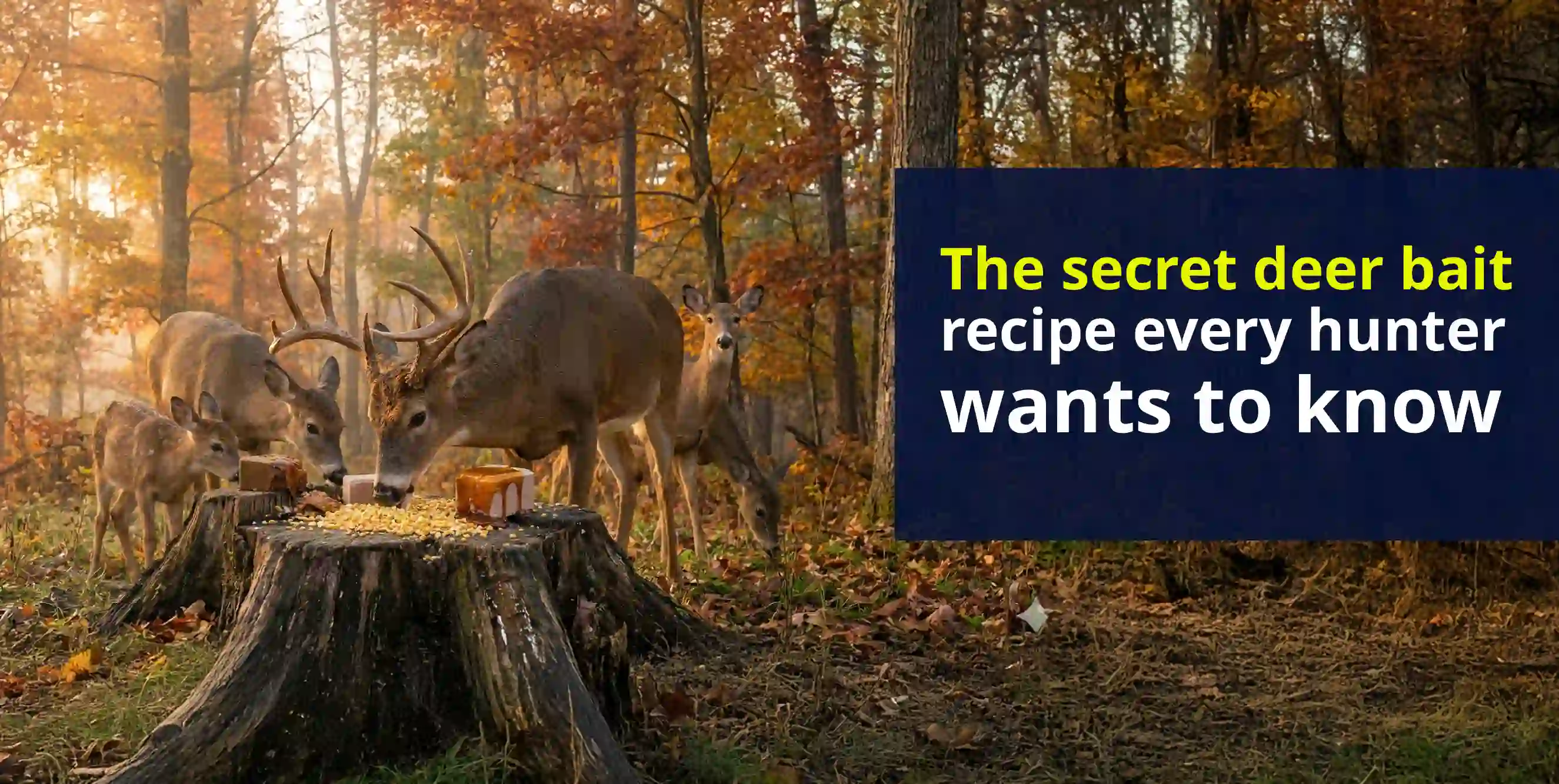
Deer crack recipes are homemade bait mixtures crafted to attract deer by appealing to their sense of smell and taste, using everyday ingredients like sweeteners, salts, and flavour enhancers.
These DIY attractants, often shared in hunting communities, help draw deer to specific spots for ethical observation or hunting. The concept has gained popularity among hunters and wildlife enthusiasts who appreciate the simplicity and effectiveness of creating their own lures rather than relying on commercial products.
By blending familiar household items, these baits can be customised to suit local conditions, making them a versatile tool for managing deer presence on private land.
Background & key principles
Deer crack originated from hunters seeking cost-effective ways to lure deer, evolving from simple salt licks to flavoured blends that mimic natural foods.
Over time, these recipes have been refined through trial and error in online forums, social media groups, and hunting magazines, where users share variations tailored to different regions and deer species.
The key ingredients typically focus on sweetness, such as molasses or sugar, which provide an energy appeal that deer find hard to ignore, combined with salts for essential minerals that support their health and growth. Scents like fruit flavours are added to draw deer from afar, creating a powerful combination that encourages repeated visits to the bait site.
It's important to use these attractants responsibly, as local wildlife laws can restrict baiting in certain areas to prevent the spread of diseases or over-dependence on artificial food sources.
Avoiding overfeeding is crucial to maintain natural behaviours, ensuring that deer continue to forage normally and do not become too reliant on human-provided baits, which could disrupt ecosystems or lead to population imbalances.
Responsible use also involves considering the nutritional impact, as excessive salt or sugar might affect deer health if not balanced with their natural diet.
How the recipes work
These recipes create baits that deer find irresistible, often leading to repeated visits as the animals associate the site with a reliable food source.
Preparing them in batches allows for efficient distribution across multiple sites, and strategic placement combined with monitoring via trail cameras can maximise their effectiveness. Each recipe yields enough material for several locations, making it practical for landowners or hunters managing larger areas.
The baits work by releasing strong scents that travel on the wind, drawing deer from surrounding areas, while the textures encourage licking or nibbling, prolonging their stay and increasing the chances of successful observation or management.
Sweet peanut butter paste recipe
This easy 4-ingredient mix forms a paste that's simple to spread and highly scented, perfect for quick setups in various environments.
The ingredients include:
1 cup of peanut butter,
1 cup of molasses,
1/2 cup of salt,
1/2 cup of squash juice drink, such as Robinsons orange squash
To prepare it, start by mixing the peanut butter and molasses in a bowl until smooth, then add the salt and squash, stirring until it reaches a thick paste consistency.
Form the mixture into balls or logs and let it sit overnight for the scents to blend fully, enhancing its attractiveness.
For placement, spread the paste on tree stumps or logs in transition zones, such as forest edges where deer frequently move between feeding and bedding areas, and refresh it weekly to keep the scent strong.
This method typically attracts deer within days, drawing them in with the sticky texture and potent aroma. Experimenting with placement heights can also help, as positioning the bait at nose level for deer ensures better accessibility and reduces competition from smaller animals.
Important legal context
In the UK, baiting deer is generally allowed on private land with the landowner's permission, but it's essential to comply with DEFRA guidelines to avoid any disruption to wildlife or potential legal issues.
Always prioritise ethics in your approach, using these baits for responsible management rather than over-hunting, to support sustainable wildlife practices and avoid negative impacts on deer herds. Regulations may vary by region, so consulting local authorities ensures compliance, particularly in areas with concerns over disease transmission or habitat protection.
Typical users
Hunters preparing for upcoming seasons often turn to deer crack recipes to scout and pattern deer movements effectively. d
Landowners managing deer on their grounds use them to control populations or encourage deer to specific areas for better observation and habitat management.
Wildlife enthusiasts, including photographers and nature observers, find them useful for non-invasive ways to get closer encounters without disturbing natural patterns.
Also read:
