
 23-Jan-2026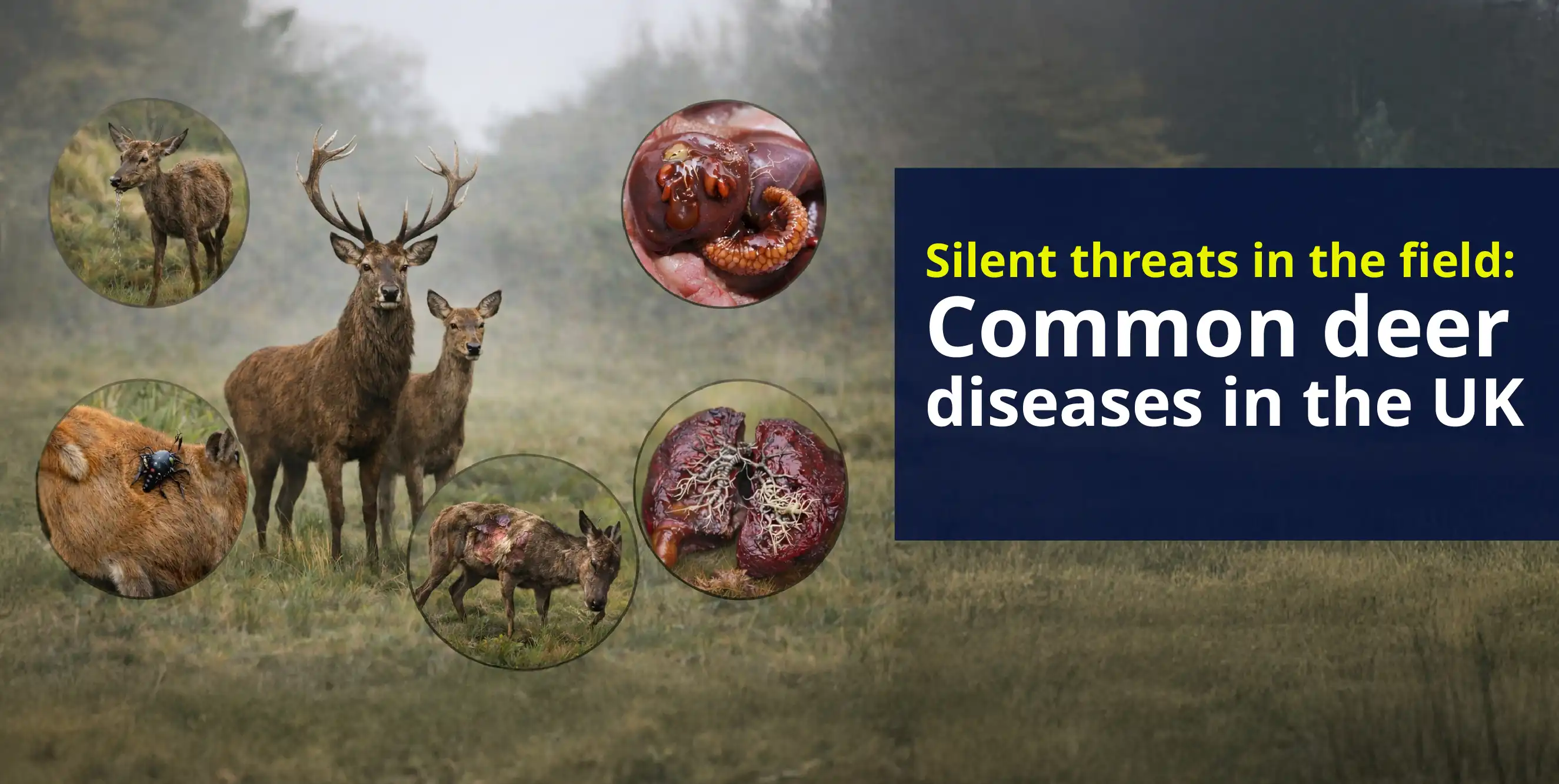
This article examines the top 20 common diseases affecting deer populations in the UK, providing details on their last reported cases based on official surveillance up to late 2025.
It covers a range of bacterial, viral, and parasitic conditions, including bovine tuberculosis and blue tongue virus, with guidance on signs to watch for, impacts on wildlife, and advice on whether venison from affected deer is safe to consume.
Drawing from sources like APHA, DEFRA, and scientific reports, the aim is to support hunters, landowners, and wildlife managers in early detection and responsible practices to protect deer herds and prevent zoonotic risks.
The diseases discussed here are selected for their prevalence or potential threat to UK deer species, such as red, roe, and fallow deer, with emphasis on notifiable conditions that require prompt reporting. Understanding these can help mitigate spread amid factors like climate change and habitat pressures.
Background & details
The last reported cases are sourced from official reports, scientific studies, and government data, with "ongoing" denoting persistent activity in 2025 and "not reported" indicating no confirmed UK deer cases to date.
Endemic diseases like parasitic infections are widespread but often underreported in wild populations, while notifiable ones such as bTB and BTV benefit from structured surveillance programmes. Factors influencing prevalence include deer density, interactions with livestock, and warming climates that expand vector ranges, posing risks to biodiversity and potential zoonotic transmission to humans or other animals.
The section on signs to look for includes behavioural, physical, and post-mortem indicators to aid early identification by hunters or managers. Edibility guidelines follow UK regulations from bodies like the Food Standards Agency (FSA), Food Standards Scotland (FSS), and the British Association for Shooting and Conservation (BASC), generally advising that meat is unfit if abnormalities are present, requiring disposal to avoid health hazards.
Bovine Tuberculosis (bTB)
Last reported in 2025, with ongoing cases in wild deer, including surveillance in southwest England hotspots where badger and deer carcasses have been tested.
Hunters should observe emaciated deer maintaining poor body condition despite ample forage, chronic coughing or laboured breathing during pursuit, and swollen lymph nodes appearing as lumps under the skin or during field dressing; internally, granulomatous lesions in lungs, lymph nodes, or intestines resemble cheese-like nodules, signalling advanced infection that demands immediate reporting to curb spread to livestock.
Meat from infected deer should be disposed of and not consumed, as bTB is zoonotic and transmissible to humans via undercooked meat or aerosols, rendering it unfit for the food chain under UK guidelines from FSA and BASC due to public health concerns.
Chronic Wasting Disease (CWD)
Not reported in the UK as of 2025, though monitored closely with no cases confirmed, the nearest being in Scandinavia. Signs include progressive weight loss resulting in a "wasted" appearance, excessive drooling or salivation, uncoordinated staggering or a wide stance, listless behaviour with diminished fear of humans, and eventual paralysis; post-mortem, brain and lymph tissue reveal prion accumulations, necessitating strict biosecurity during handling to avert potential human exposure.
Meat from infected deer should be disposed of and not consumed, as CWD prions resist heat and carry uncertain but potentially severe zoonotic risks, with UK and international guidelines from FSA and CDC advising against eating affected venison to prevent possible transmission.
Bluetongue Virus (BTV)
Last reported in 2025, with ongoing outbreaks in ruminants, including suspected deer cases in Northern Ireland and England, totalling hundreds of instances since mid-year.
Look for fever-induced lethargy, blue-tinged swollen tongue or muzzle from cyanosis, nasal discharge mixed with blood, lameness due to coronitis or hoof inflammation, and oral ulcers; affected deer may stand in water to cool swollen feet, facing high mortality from respiratory failure in severe cases.
Meat from infected deer should be disposed of and not consumed, as BTV is notifiable and causes systemic abnormalities making venison unfit under UK food hygiene regulations from FSA and FSS, though not zoonotic; thorough inspection is mandatory, and symptomatic carcasses are barred from the food chain.
Epizootic Hemorrhagic Disease (EHD)
Not reported in the UK as of 2025, monitored with no confirmed deer cases, though European outbreaks occurred in 2023.
Symptoms mirror BTV with high fever, oral and nasal haemorrhages, swollen eyelids and tongue, internal bleeding evident as bloody diarrhoea or frothy mouth, and sudden death; deer may seek water sources, displaying dehydration despite drinking, with post-mortem showing widespread organ haemorrhages.
Meat from infected deer should be disposed of and not consumed, as EHD induces systemic haemorrhages and abnormalities rendering venison unfit under UK hygiene rules from FSA and FSS, though not zoonotic; carcasses with such signs are not to enter the food chain.
Foot and Mouth Disease (FMD)
Last reported in 2007, with no deer-specific cases since, as UK outbreaks primarily affected livestock.
Watch for vesicular blisters or ulcers on mouth, feet, and teats causing drooling, lameness, and reluctance to move; fever and reduced appetite facilitate rapid spread in herds, with notifiable status requiring quarantine, and deer may recover but serve as carriers.
Meat from infected deer should be disposed of and not consumed, as FMD is notifiable and causes systemic abnormalities, making it unfit for the food chain under UK regulations from FSA and FSS, with rare potential zoonotic transmission; all suspect carcasses must be isolated and reported.
Schmallenberg Virus
Last reported in 2025, ongoing with fetal deformities noted in 2024-2025 birthing seasons, affecting deer among other ruminants.
Signs in adults are mild fever and diarrhoea, but observe deformed fawns with arthrogryposis or bent limbs, hydrocephalus or enlarged head, or scoliosis; pregnant does may abort or deliver non-viable young, with midge transmission peaking in summer and autumn.
Meat from infected deer should be disposed of and not consumed if abnormalities are present, as Schmallenberg causes fetal deformities and may render adult carcasses unfit under UK hygiene rules from FSA and FSS, though mild adult cases are not zoonotic and could be safe if inspected; symptomatic or deformed animals are barred from the food chain.
Malignant Catarrhal Fever (MCF)
Last reported in 2024, with sporadic cases in deer confirmed via PCR testing.
Identify high fever, profuse ocular and nasal discharge often bloody, corneal opacity leading to blindness, oral ulcers, and rapid depression culminating in death; sheep-associated strains are common, with neurological signs like head pressing in advanced stages.
Meat from infected deer should be disposed of and not consumed, as MCF causes systemic inflammation and ulcers, making it unfit for the food chain per UK guidelines from FSA and FSS, with low potential zoonotic risks; carcasses with such abnormalities are not to be supplied.
Johne's Disease (Paratuberculosis)
Last reported in 2025, ongoing in farmed deer with wild cases underreported.
Chronic progressive weight loss despite good appetite, persistent diarrhoea leading to soiling, and eventual emaciation are key indicators; thickened intestines post-mortem confirm bacterial infection, with long incubation periods challenging early detection.
Meat from infected deer should be disposed of and not consumed, as Johne's is zoonotic with potential links to Crohn's disease in humans, and UK guidelines from FSA and FSS deem carcasses with chronic wasting and intestinal abnormalities unfit for the food chain.
Yersiniosis
Last reported in 2023, sporadic in European deer with low UK prevalence noted in studies.
Look for acute diarrhoea, pneumonia symptoms like coughing, organ abscesses, and sudden death in fawns; septicaemia causes fever and lethargy, often linked to stress or poor nutrition.
Meat from infected deer should be disposed of and not consumed, as yersiniosis is zoonotic and causes systemic infection, rendering venison unfit under UK food safety rules from FSA and FSS, with risks of human illness from contaminated meat.
Salmonellosis
Last reported in 2025, ongoing in wildlife with APHA reports noting deer cases.
Signs include severe watery diarrhoea, fever, dehydration, and abortion; affected deer appear weak and isolated, with post-mortem revealing intestinal inflammation and potential zoonotic risk during handling.
Meat from infected deer should be disposed of and not consumed, as salmonellosis is zoonotic and highly contagious, with UK guidelines from FSA and FSS classifying contaminated carcasses as unfit due to risk of human food poisoning.
Leptospirosis
Last reported in 2025, ongoing with wildlife reservoirs including deer.
Watch for jaundice or yellowing of eyes and mucous membranes, fever, kidney failure signs like dark urine, and abortion; urine contamination spreads it, with wet environments increasing risk.
Meat from infected deer should be disposed of and not consumed, as leptospirosis is zoonotic and can cause severe human illness like Weil's disease, with UK guidelines from FSA and FSS requiring unfit carcasses with organ damage to be excluded from the food chain.
Pasteurellosis
Last reported in 2025, with ongoing outbreaks in deer and fatal cases in fallow herds.
Sudden death, pneumonia with coughing, septicaemia, and abscesses in lungs or liver are typical; stress triggers outbreaks, with frothy mouth and respiratory distress pre-mortem.
Meat from infected deer should be disposed of and not consumed, as pasteurellosis is zoonotic and causes septicaemia, with UK guidelines from FSA and FSS requiring carcasses with abscesses or inflammation to be excluded from human consumption.
Babesiosis (Redwater Fever)
Last reported in 2025, detected in southwest England deer via surveys.
Fever, anaemia causing pale gums, jaundice, and haemoglobinuria or red urine are hallmarks; tick-borne, with weakness and collapse in severe cases.
Meat from infected deer can be eaten if affected organs like spleen and liver are trimmed and disposed, as babesiosis is not zoonotic and generally safe if hygiene is maintained per UK rules from FSA and FSS, but severe cases with systemic anaemia make the carcass unfit.
Lungworm
Last reported in 2025, ongoing with fatal cases in farmed deer.
Persistent coughing, nasal discharge, respiratory distress, and weight loss are evident; larvae in faeces or lungs post-mortem, exacerbated by wet weather favouring snail hosts. Meat from infected deer can be eaten if lungs are trimmed and disposed, as lungworm is not zoonotic and confined to the respiratory system, but UK guidelines from FSA and FSS recommend thorough inspection and cooking, with severe cases making the carcass unfit if secondary infections occur.
Gastrointestinal Nematodes (e.g., Ostertagia): Last reported in 2025, with ongoing prevalence in wild deer studies. Weight loss, diarrhoea, poor coat condition, and anaemia are common; high burdens cause bottle jaw swelling, with faecal egg counts aiding diagnosis.
Meat from infected deer can be eaten if intestines are trimmed and disposed, as gastrointestinal nematodes are not zoonotic and primarily affect the gut, with UK guidelines from FSA and FSS allowing consumption after inspection and cooking if no secondary complications like emaciation are present; severe infestations make the carcass unfit.
Liver Fluke (Fascioliasis)
Last reported in 2025, ongoing in wet areas with roe deer studies.
Anaemia, weight loss, bottle jaw, and liver damage are indicators; flukes in bile ducts post-mortem, linked to snail-infested pastures.
Meat from infected deer can be eaten if the liver is trimmed and disposed, as liver fluke is not typically zoonotic in the UK and confined to the liver, with guidelines from FSA and FSS allowing consumption of unaffected parts after inspection and cooking; heavy infestations with liver damage make the entire carcass unfit.
Warble Fly Infestation
Last reported in 2007, eradicated in UK cattle but historical in deer.
Skin nodules on the back with breathing holes, irritation causing rubbing; larvae migrate under skin, now rare due to control measures.
Meat from infected deer can be eaten if affected skin is trimmed and disposed, as warble fly is not zoonotic and limited to the skin, with UK guidelines from FSA and FSS permitting consumption of unaffected meat after inspection; heavy infestations may make the hide unusable and carcass unfit if secondary infections occur.
Nasal Bot Fly
Last reported in 2025, ongoing in roe deer with south England reports.
Sneezing, head shaking, nasal discharge, and respiratory issues are signs; larvae in nasal passages cause inflammation, detected during head inspection.
Meat from infected deer can be eaten if the head and nasal areas are disposed, as nasal bot fly is not zoonotic and localised, with UK guidelines from FSA and FSS allowing consumption of unaffected body meat after inspection; severe respiratory damage may make the carcass unfit.
Sarcoptic Mange
Last reported in 2025, ongoing in red deer with climate-linked increases.
ntense itching, hair loss, crusty thickened skin, and emaciation occur; mites burrow, leading to secondary infections and mortality in winter.
Meat from infected deer should be disposed of and not consumed if severe, as sarcoptic mange is zoonotic causing scabies and skin infections, with UK guidelines from FSA and FSS deeming emaciated or crusted carcasses unfit; mild cases may allow trimmed meat if no secondary bacterial infection.
Lyme Disease (Borrelia)
Last reported in 2025, ongoing tick-borne with deer as reservoirs.
Lameness, swollen joints, fever, and lethargy are possible; not always symptomatic in deer, but ticks on animals indicate risk, with zoonotic concern for humans.
Meat from infected deer can be eaten, as Lyme disease is not transmitted via meat consumption and deer are reservoirs but not symptomatic carriers for human risk, with UK guidelines from FSA and FSS focusing on tick removal rather than meat disposal; thorough cooking is advised for general safety.
Impacts on deer and management
Endemic diseases like bTB and parasites reduce overall fitness in deer populations, elevating mortality rates and altering herd structures, which can result in overpopulation in unaffected regions.
For farmed deer, outbreaks lead to economic losses through reduced productivity and veterinary costs, while wild populations affect forestry and agriculture by damaging crops or spreading to livestock.
Zoonotic risks further impose human health burdens, requiring integrated management strategies. Overall, climate change exacerbates vector-borne diseases by extending tick and midge seasons, underscoring the importance of early detection through observable signs to control spread and maintain ecological balance.
Important legal context (UK firearms law)
Disease monitoring intersects with deer stalking regulations in the UK, where notifiable diseases like bTB and BTV must be reported to APHA in England and Wales via 03000 200 301 or NatureScot in Scotland, with non-compliance potentially incurring fines up to £5,000.
Culling sick deer requires a Firearm Certificate for rifles, adhering to seasonal restrictions under the Deer Act 1991, though out-of-season exemptions may apply for welfare reasons. These rules apply nationwide, with variations in Scotland under the Deer (Scotland) Act 1996, and organisations like BASC offer training to ensure compliant practices.
Advice for owners (Hunters, Managers)
To detect and handle diseases effectively, monitor herds using trail cameras to spot behavioural anomalies and conduct regular health surveys in high-risk areas.
During post-cull checks, wear personal protective equipment for organ inspections and submit suspicious samples to APHA for testing.
Report promptly via gov.uk/report-dead-animal for any concerns and contribute to surveillance through groups like the British Deer Society.
Mitigation strategies include reducing deer density to limit transmission, managing wetlands to curb vectors, and exploring vaccination where feasible, such as in bTB trials, to promote herd health.
Also read:
