
 12-Jan-2026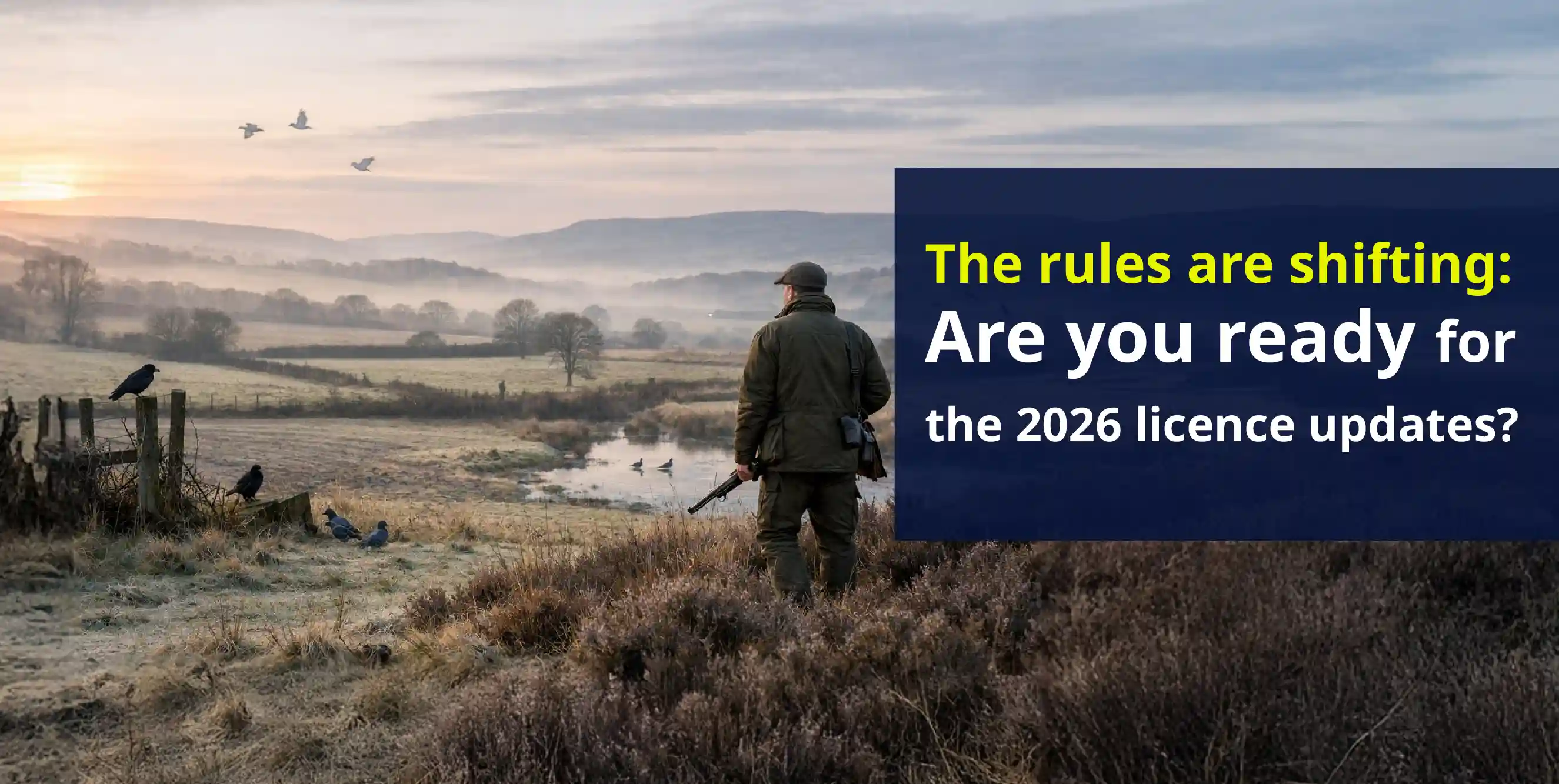
As we kick off 2026, shooters and land managers across England are adjusting to the latest updates in general licences for wildlife management. These licences, issued by Natural England, allow for the control of certain wild birds under specific circumstances without needing individual applications. With a focus on balancing conservation, public safety, and preventing damage, the changes aim to incorporate new scientific insights and address ongoing concerns like avian influenza. In this blog, we'll explore the key updates to GL40, GL41, and GL42, what they mean for your shooting activities, and how to stay compliant.
Understanding the basics of general licences
General licences have long been a cornerstone of wildlife management in the UK, providing a streamlined way to handle low-risk activities under the Wildlife and Countryside Act 1981. They cover actions such as killing or taking wild birds for conservation, health and safety, or to prevent serious damage to crops, livestock, or fisheries. For 2026, Natural England conducted a light-touch review following a public consultation, resulting in refinements rather than overhauls. These updates are effective from 1 January 2026 and valid for 12 months, emphasising evidence-based use and non-lethal alternatives where possible.
The shift in responsibility from Defra to Natural England in 2025 set the stage for these changes, ensuring the licences align with current environmental data. No major species were added or removed from the control lists, but the definitions and conditions have been tweaked for clarity and practicality. If you're involved in gamekeeping, farming, or pest control, understanding these nuances is essential to avoid unintentional breaches, which could lead to fines or legal issues.
Key changes to GL40: Conservation purposes
GL40, which permits the control of certain birds to conserve others, has seen one of the more notable updates. The list of "birds of conservation concern" has been refined to better reflect IUCN assessments, moving beyond just the traditional red and amber lists. This means species like the red grouse - endemic to the UK and vital for moorland ecosystems - now explicitly qualify for protection through predator control, such as managing carrion crows or magpies.
In practice, this allows gamekeepers to justify actions based on stronger evidence of conservation benefits. For instance, if you're managing habitats for ground-nesting birds, you must document the need and explore alternatives first. The update promotes targeted interventions, ensuring that controls contribute positively to biodiversity without unnecessary impact.
Updates to GL41: Public health or safety
For GL41, focused on protecting public health or safety, a key reinstatement is the use of artificial light for controlling feral pigeons. This method, previously restricted, is back to help address urban nuisances more effectively. However, a new condition requires users to minimise disturbance to wildfowl or waders near protected sites, particularly to reduce the risk of spreading avian influenza.
This avian flu safeguard is a response to recent outbreaks, urging discretion in method choice - such as avoiding noisy tactics in sensitive areas. If you're dealing with pigeons in built-up environments, this flexibility is welcome, but it comes with the responsibility to assess risks and prioritise humane, low-impact approaches.
Refinements in GL42: Preventing serious damage
GL42, aimed at preventing serious damage to agriculture or fisheries, hasn't undergone dramatic shifts but aligns with the broader flu risk guidance. It continues to cover species like wood pigeons that can devastate crops, with conditions stressing the use of non-lethal deterrents first. The emphasis here is on proportionality - actions must be necessary and backed by records if challenged.
For farmers or fishery managers, this means business as usual with an added layer of biosecurity awareness. Integrating these licences into your management plans can help mitigate losses while staying within legal bounds.
Avian influenza considerations across all licences
A thread running through all three licences is the new focus on avian influenza mitigation. Users are advised to avoid excessive disturbance in areas with wildfowl, using their judgment to select methods that don't exacerbate disease spread. This reflects Defra's ongoing biosecurity campaigns and underscores the interconnectedness of wildlife management and public health.
In wetter months or during migration periods, this could influence your choice of timing or tools. Staying informed through Natural England's updates is crucial, as non-compliance could not only invalidate your use of the licence but also contribute to wider ecological issues.
Our top tips for navigating the 2026 changes
To make the most of these updates, start by reviewing the full licence documents on the gov.uk site. Document your rationale for any controls, including photos or notes on damage or conservation needs.
Consider training or consulting with organisations like BASC or the National Gamekeepers' Organisation for best practices. If you're unsure about a specific scenario, reach out to Natural England for clarification.
Finally, integrate these changes into your shooting calendar - planning ahead ensures smoother operations.
Final thoughts
The 2026 general licence changes strike a balance between practical wildlife management and evolving conservation priorities. By refining definitions and adding safeguards like those for avian flu, they support responsible shooting while protecting vulnerable species. Whether you're a gamekeeper preserving red grouse habitats or a farmer guarding crops, these updates empower informed decisions.
If you're looking for gear to aid in compliant management, browse our selection of shooting accessories at Rightgun.uk. The Rightgun team is always here to help with advice on staying legal and effective.
Must read:
