
 14-Jan-2026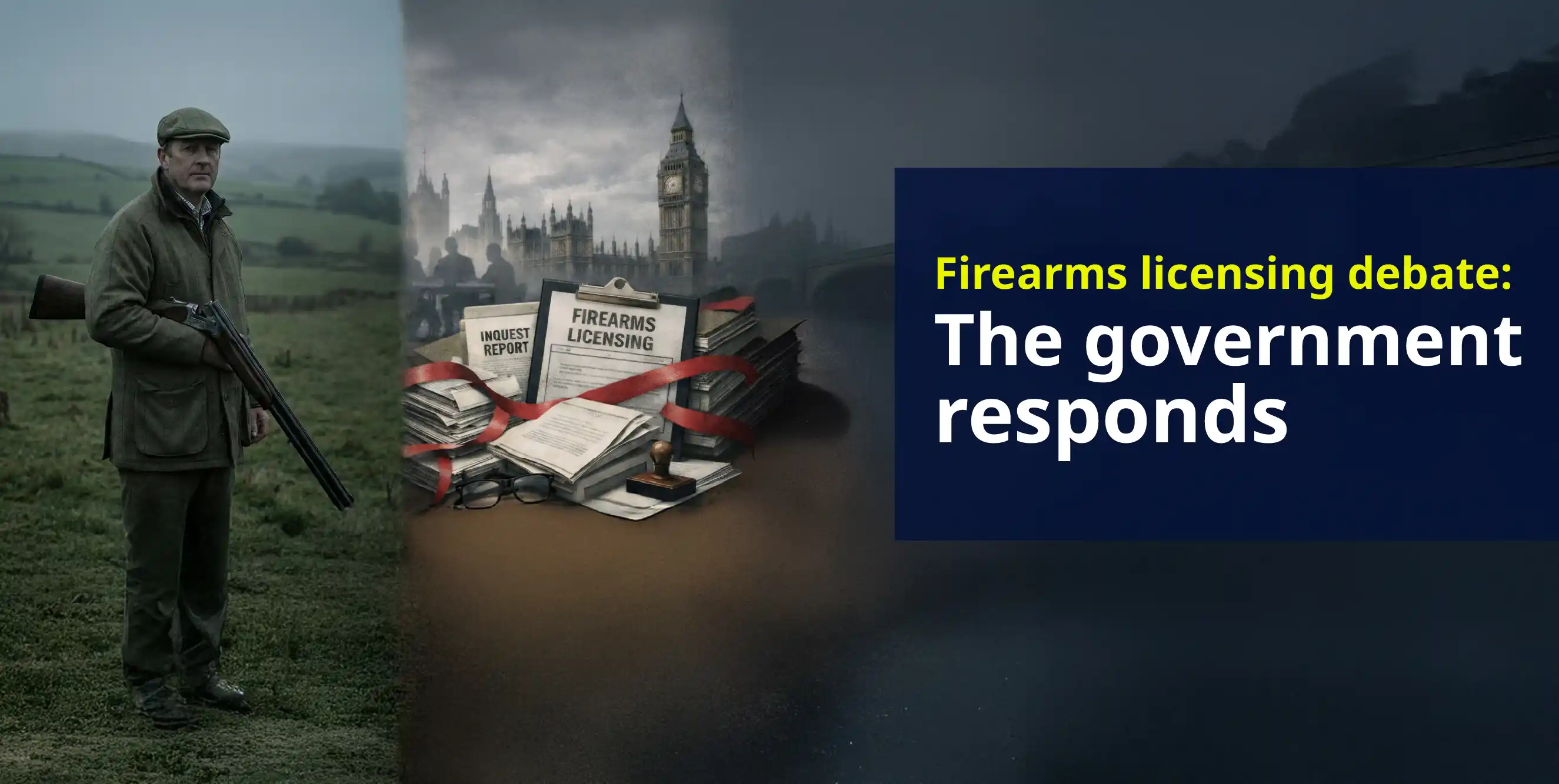
The UK government's response to the petition “Do not merge section 1 & 2 regulations on firearms licenses,” which has garnered over 100,000 signatures, emphasises a commitment to public safety while acknowledging the legitimate uses of shotguns. Released in early 2026, it announces an upcoming public consultation on strengthening shotgun (Section 2) licensing controls, potentially aligning them more closely with those for Section 1 firearms. The response highlights recent tragedies like the Plymouth and Skye shootings as key drivers, referencing coroner's reports and inquiries that recommend tighter vetting. It stresses that no decisions are final, and all views will be considered before any changes, with an impact assessment to follow. This ties into broader anti-violence initiatives, such as efforts to halve knife crime.
Details on Plymouth and Skye incidents and police response
The Plymouth incident in August 2021 involved Jake Davison, who used a legally held shotgun to fatally shoot five people before killing himself. An inquest found significant police failings: His certificate was revoked due to assault allegations but reinstated shortly before the attack, despite evidence of mental health issues, violent behaviour, and ignored warnings from referees and social media. In the Skye shooting of August 2022, Finlay MacDonald used a shotgun to kill one and injure three others. Investigations revealed overlooked red flags in his medical history, prior domestic incidents, and suitability assessments.
These cases prompted coroner's preventing future deaths reports and reviews by the Independent Office for Police Conduct (IOPC) and the Scottish Affairs Committee. Recommendations included mandatory GP mental health declarations, enhanced referee checks, and social media scrutiny—powers largely already available but inconsistently applied by police. The government cites these to justify the consultation, arguing that aligning Section 2 with Section 1 (e.g., requiring "good reason" for each shotgun) could standardise processes and reduce risks from such lapses.
Community perspective: Is this just lip service and blame-shifting?
While the response promises to "consider all views," many in the shooting community view it as predetermined—essentially telling petitioners their input will be noted but changes will proceed anyway. Critics argue the core problems in Plymouth and Skye were police not properly using existing powers, such as thorough suitability checks, rather than insufficient laws. Adding bureaucracy like per-gun justifications won't fix vetting failures if enforcement remains inconsistent.
Moreover, even under proposed changes, the Plymouth and Skye perpetrators likely would have still qualified for licenses. Davison cited clay pigeon shooting as his "good reason," a valid justification under Section 1 standards, and MacDonald had pest control needs—common for rural areas. If police overlooked red flags as they did, the new requirements wouldn't have blocked issuance; the issue was human error in assessment, not the absence of stricter criteria per gun. This fuels feelings that the government is shifting blame from policing shortcomings to the regulatory framework, potentially overburdening responsible owners without addressing root causes like under-resourced licensing teams or illegal firearms. Skepticism is high, with groups like BASC and the Countryside Alliance calling the consultation a box-ticking exercise amid delayed launches (now expected in early 2026).
Pros and cons of the proposed changes
Pros (Government/Safety angle)
Could enforce more consistent checks, like mandatory medical input and per-gun scrutiny, potentially closing gaps exposed in inquiries and boosting public trust.
Aligns with recommendations from independent reviews, fitting into wider safety missions.
Cons (Community angle)
Existing tools could have prevented tragedies if used properly; new rules add costs, delays, and red tape without guaranteeing better police performance.
Perpetrators' valid reasons (e.g., sporting or pest control) mean licenses might still be granted under aligned systems if vetting fails—risking ineffective reforms that harm rural economies and shooting sports.
Summary of the government's response
The UK government's response to the petition against merging Section 1 and 2 firearms licenses (over 100,000 signatures) commits to a public consultation on strengthening shotgun controls for safety, citing police failings in the 2021 Plymouth and 2022 Skye shootings, where legal shotguns were used despite ignored red flags like mental health issues.
While acknowledging legitimate uses and promising to consider input, the shooting community views it as blame-shifting from inconsistent vetting to new bureaucracy like per-gun "good reason" requirements, which wouldn't have blocked the perpetrators (with valid justifications like sporting or pest control) and burdens owners without addressing under-resourced licensing or illegal arms.
Read more:
