
 30-Oct-2026
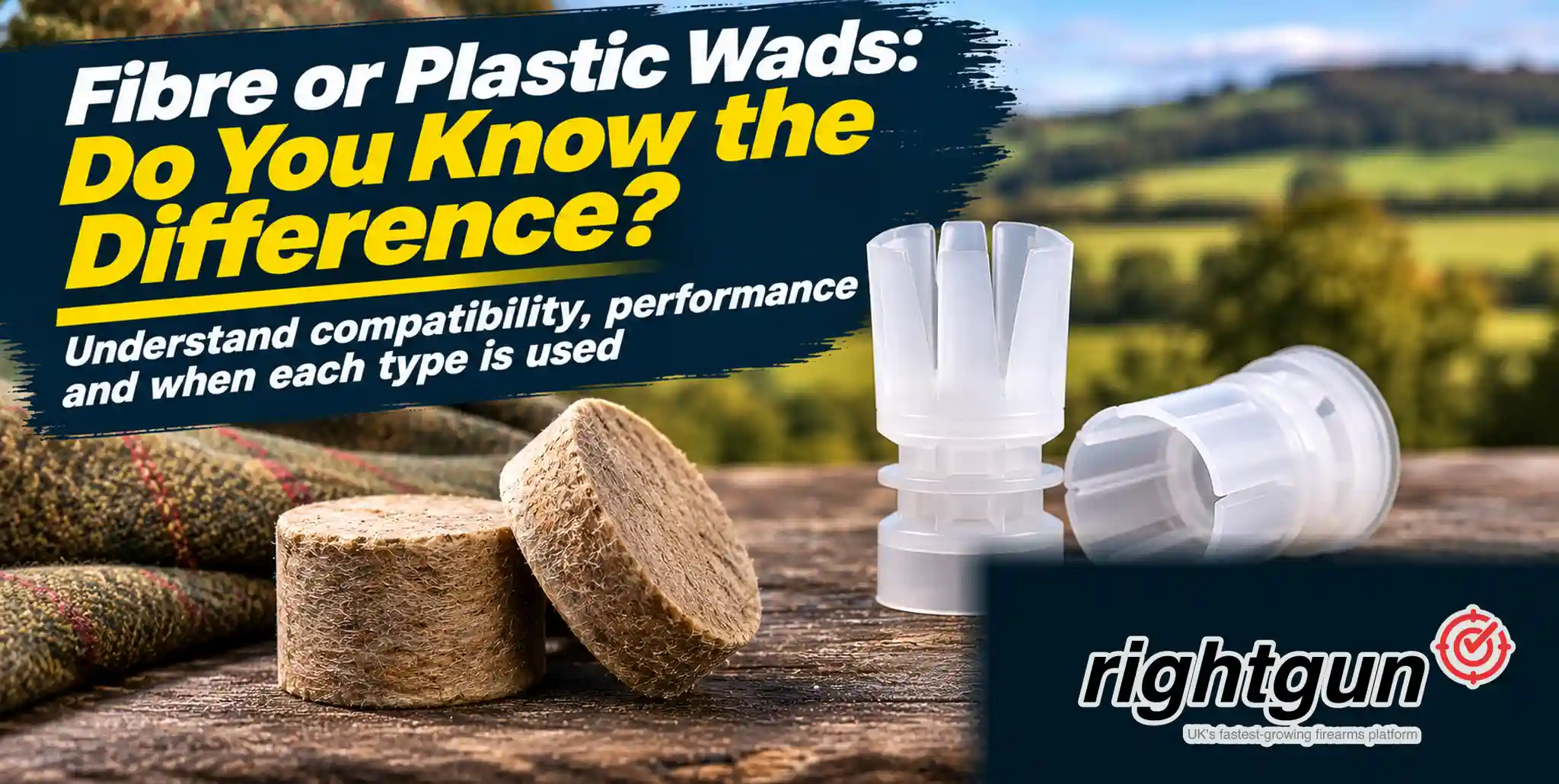
Yes, and it catches out more shooters than you might expect. A fibre wad and a plastic wad both do the same basic job, which is to seal the gas behind the shot and carry it up the barrel, but they behave differently once they leave the muzzle and sometimes differently inside the gun. A cartridge with a fibre wad is not simply a plastic cartridge with a different filler. Some clay grounds and estates ask for one type and not the other, and some guns and chokes suit one better than the other. This guide explains what each wad does, where the differences matter and how to check before you buy a box.
What does a wad actually do?
Inside a shotgun cartridge, the wad sits between the powder and the shot. When the cartridge fires, the wad acts as a gas seal, stopping hot gas from blowing past the shot, and it pushes the shot charge up the barrel as one load. Without a wad, you would get poor and inconsistent performance, and the shot would be badly deformed.
Beyond that, wads differ in how they treat the shot. A plastic wad usually has a cup, sometimes called a shot cup, that wraps the pellets and shields them from the barrel walls on the way out. A traditional fibre wad is a stack of felt or fibre discs and cards that seals the gas and holds the shot together, usually with a separate card on top. Many makers also offer fibre-based wads and shot cups made from biodegradable materials, so it pays to read the box rather than assume.
Neither design is better in every situation. They suit different guns, different grounds and different priorities, which is why the question comes up so often.
Browse: Shotguns for sale · Beretta 686 · Browning B525 · Gun parts and accessories · Local gun shops and dealers
How do fibre wads and plastic wads differ in the field?
The most obvious difference is what is left on the ground. A plastic wad lands as a small piece of plastic that does not break down quickly, and on a busy day the pegs and the ground in front of them can collect them. A fibre wad is designed to be biodegradable, so it breaks down over time. That is why many clay grounds, farms and estates prefer fibre, and some require it. Always check the shoot’s own rules before you pack your cartridges, because they decide what you can use on the day.
Performance can differ too. Because a plastic shot cup shields the pellets from the barrel and from the choke, plastic-wad loads are often associated with tidier, more consistent patterns, and many shooters like them for that reason. Fibre loads can pattern very well in a gun that suits them, and plenty of experienced game shots simply prefer them. The honest answer is that results vary with the gun, the choke, the shot and the load, so the only reliable way to know is to try them and pattern your own gun, as our guide to choosing cartridges explains.
Browse: Beretta 687 · Beretta 682 · Browning B725 · Miroku MK38 · Fabarm shotguns
Why do chokes, barrels and age of gun matter?
This is where the two wads stop being interchangeable. A plastic cup travels with the shot through the choke and then opens up and falls away, so the pellets are protected as they pass through the tightest part of the barrel. Fibre wads do not offer the same protection, so the shot meets the choke directly. In a tight choke, that can mean more contact and different results, and some shooters find fibre cartridges suit more open constrictions. If you are not sure what suits your tubes, ask a gunsmith and read the guidance for your choke and gun.
Age and construction matter as well. Many older and traditional guns were designed in an era of fibre wads, and owners of classic side-by-sides often stick with fibre loads for that reason. If you own a vintage gun, always check the chamber length marked on the barrels and ask a gunsmith what cartridges are appropriate, as our guide to shotgun chamber lengths explains. Never assume that a cartridge suitable for one gun is suitable for another just because it fits.
Browse: Holland & Holland shotguns · AYA shotguns · W.W. Greener shotguns · Westley Richards shotguns · Purdey shotguns
Where do shoot rules and non-toxic loads come in?
Some grounds and shoots set rules on wads, shot type or both, and these rules vary. Biodegradable wads are an obvious talking point wherever land management and tidy ground matter, so it is worth asking the shoot captain, the ground manager or the estate what they expect before you buy cartridges in bulk. Do not rely on what a friend told you last season.
Lead shot is a separate topic with its own rules and its own debate. If you use non-toxic alternatives such as steel, the wad question becomes more specific, because shot type and wad design are chosen to work together and the barrel and choke need to suit the load. Check the cartridge maker’s guidance and the markings on your barrels, and do not guess. Our guide to alternatives to lead ammunition is a good place to start, and the shoot’s own rules should always take priority. For anything about the law, speak to your registered firearms dealer and the police firearms licensing department.
Browse: Beretta A400 · Browning Maxus 2 · Benelli M2 · Beretta DT11 · Gun parts and accessories
How can you tell which suits you?
Start with the box. The label and the maker’s website usually say whether a load has a fibre wad or a plastic wad, and which gun and choke it is intended for. If it does not, ask the retailer or the maker. Then ask yourself three questions: what does the shoot allow, what does my gun suit, and what do I want from the load?
After that, test. Pattern a couple of loads through your gun, and if you are unsure how to read the result, book a session with a coach or a gunsmith. Compare how the shot feels, how it patterns and how the cartridges clean up. Fibre loads can leave a little more fouling in the barrels, so cleaning matters too, and our guide to cleaning a shotgun after a wet day covers the habits worth building. Keep notes on what works, because the best answer is the one that works in your gun.
Browse: Beretta 694 · Beretta DT10 · Browning B425 · Caesar Guerini shotguns · Krieghoff shotguns
What should you remember when buying or selling a shotgun?
If you are buying a used shotgun, ask the seller what cartridges it has been shooting and whether it has a history of one wad type. Photographs of the barrel markings, the chamber length and the choke tubes help you judge a gun before you travel, and handling it in person tells you the rest.
If you are selling, mention the chokes, the cartridges the gun has been used with and any servicing. Buyers value clear information, and a specialist marketplace puts your listing in front of people who understand why it matters. Rightgun.uk is built for exactly that audience, from first-time buyers to experienced game and clay shots.
Browse: Beretta 686 · Browning B525 · Remington 1100 · Winchester 101 · Safes and cabinets
FAQ
Can I use fibre wad cartridges in any shotgun? Often yes, but not always the best option, and you should always match the cartridge to your barrels’ chamber length and the guidance for your gun and choke. If you are unsure, ask a gunsmith or the cartridge maker.
Are fibre wads better for the environment? Fibre wads are designed to be biodegradable, which is why many grounds prefer them. Details vary by product, so read the box and the shoot’s rules.
Do plastic wads pattern better? Many shooters find plastic shot cups give tidy patterns, but results vary with the gun, choke and load. Pattern your own gun to find out.
Can I use any cartridge on a driven day? Follow the shoot’s own rules on cartridges and shot type, and ask the shoot captain if you are unsure.
Ready to find your next shotgun?
Whether you shoot fibre, plastic or a bit of both, the right gun makes the difference. Browse shotguns for sale from private sellers and dealers across the UK on Rightgun.uk, or list your own and reach shooters who know exactly what they are looking for.
Further reading: Choosing cartridges, shotgun chamber lengths explained, alternatives to lead ammunition and how to clean a shotgun after a wet day
